
Why Do Things Feel So Difficult?
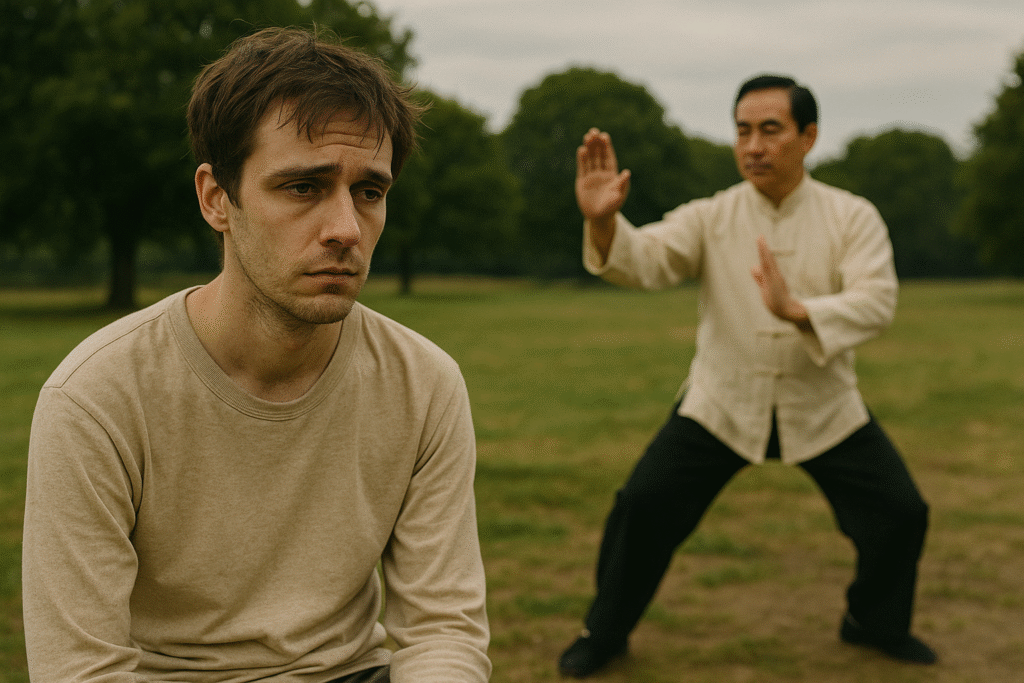
The difficulty you feel is not caused by the tasks themselves, but by unstable qi and insufficient internal power. Taichi helps by guiding you to sense tension, gather scattered qi, and restore natural balance through movement. Taichi doesn’t demand perfection—it builds the real ability for the whole body to stay unobstructed and energized. As your internal power grows, fear and anxiety dissolve naturally, and you regain ease and strength.
Taiji Is Not About “Borrowing Force From the Earth” — True Power Comes From Internal Harmony
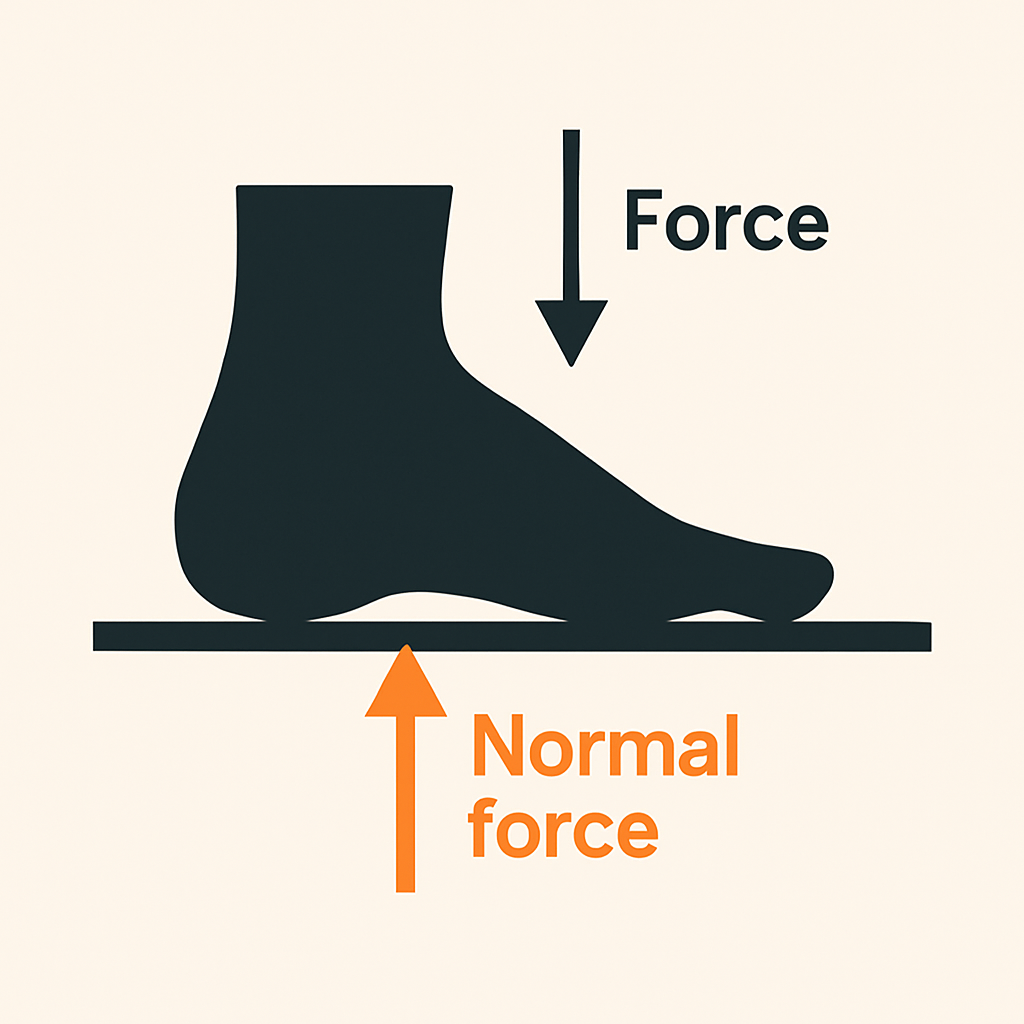
Taiji power does not come from “borrowing the ground’s rebound force.”
Pushing into the floor creates local muscular tension, which disrupts whole-body integration.
Real Taiji jin arises internally—from harmony, relaxation, and natural unity—not from external force.
Chasing rebound leads away from Taiji’s true path.
The Hidden Emotions That Quietly Harm the Body
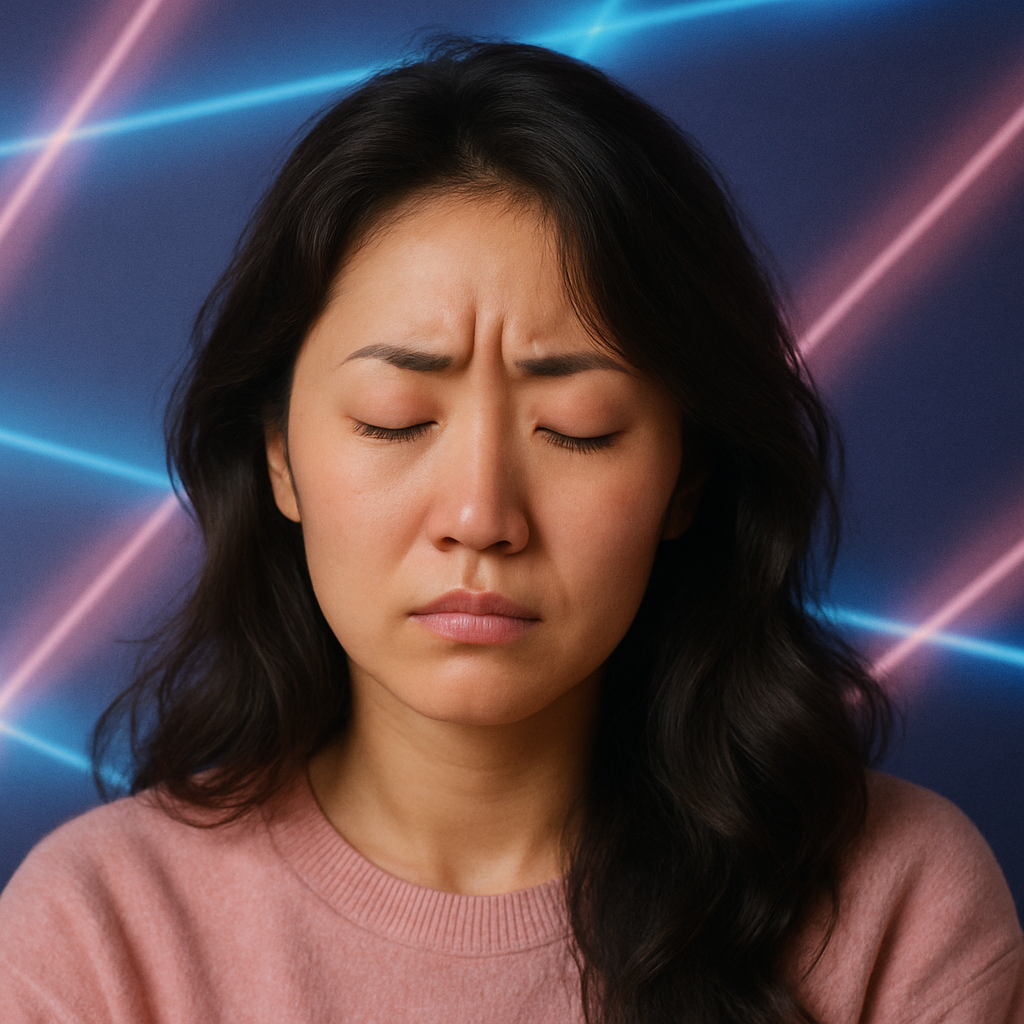
Many health issues arise not from age or fatigue, but from hidden emotions we never notice. Suppressed feelings quietly disturb the qi, weaken the body, and create chronic imbalance. Healing begins when we become aware instead of suppressing—allowing the heart to settle and the body to recover naturally.
Qi Sensation Before Sleep

The light, warm, “floating” sensations before sleep are normal qi responses, not qi rising. There is no need to interrupt them. What matters is whether the mind is exerting force. The less mental effort, the steadier the qi and the more harmonious the body—this is the true meaning of “letting qi nourish itself without harm.”
What Does It Mean to “Get Qi”?
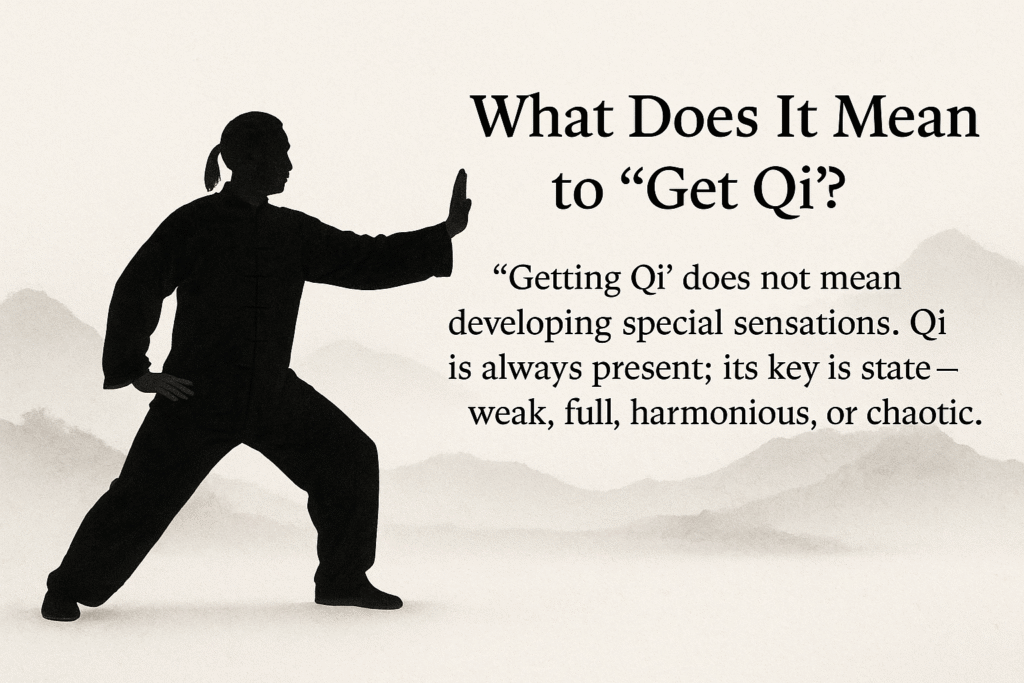
“Getting qi” is not about chasing special sensations but about restoring balance—moving from weakness to fullness, from chaos to harmony. Qi is always present; true practice simply calms, steadies, and realigns it. Real internal skill is clarity, stability, and ease—not dramatic feelings.
What Is “Fearless Giving”
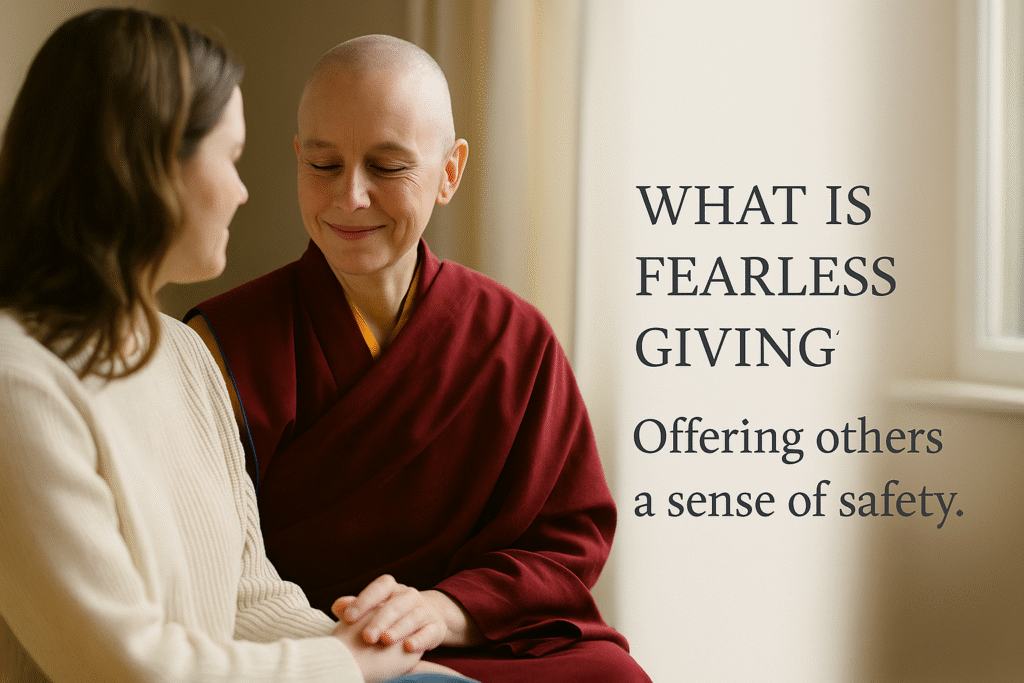
What Is “Fearless Giving” Question: Teacher, what exactly is Fearless Giving?Among the Three Types of Giving — material giving, dharma giving, and fearless giving — the first two are easier to understand. But what does fearless giving mean in practice? How do we integrate these forms of giving into modern life? Looking around, I notice […]
What Does “Relaxing the Waist and Abdomen” Mean in Taichi?
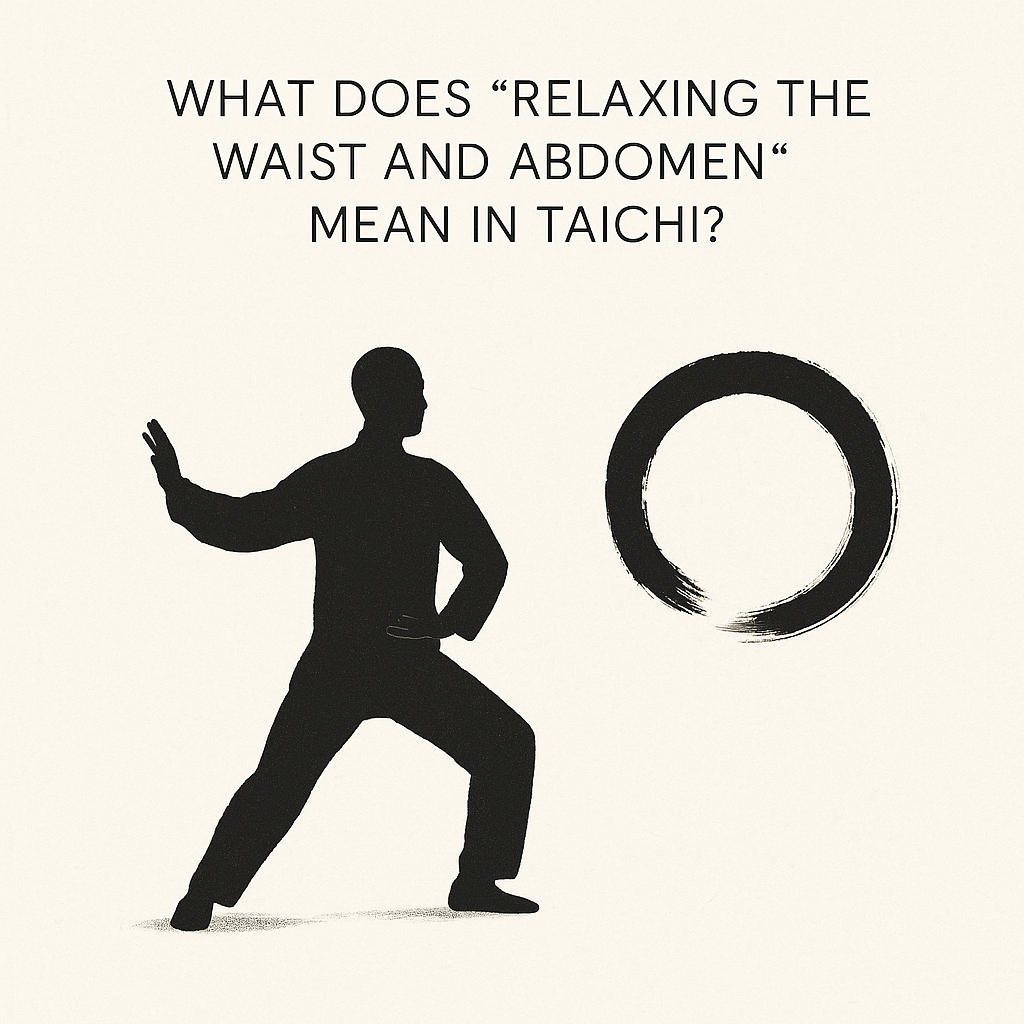
Relaxation in Taichi is not collapse, but appropriate balance.
Sourness, fatigue, and stiffness mean tension.
Tension always has a corresponding “lazy area”—fix both together.
True practice is continuous awareness and subtle adjustment.
Taichi is a lifelong process of fine-tuning the body and mind.
What We Truly Learn in Daily Taichi Practice
What Are We Really Learning in Daily Taichi Practice? People often imagine Taichi to be mysterious and complicated—a discipline full of elaborate techniques, powerful postures, and hidden skills. Yet those who truly practice day after day eventually discover that Taichi is not about adding more techniques, but about returning to something far more essential: the […]
What Is “Stiffness”?
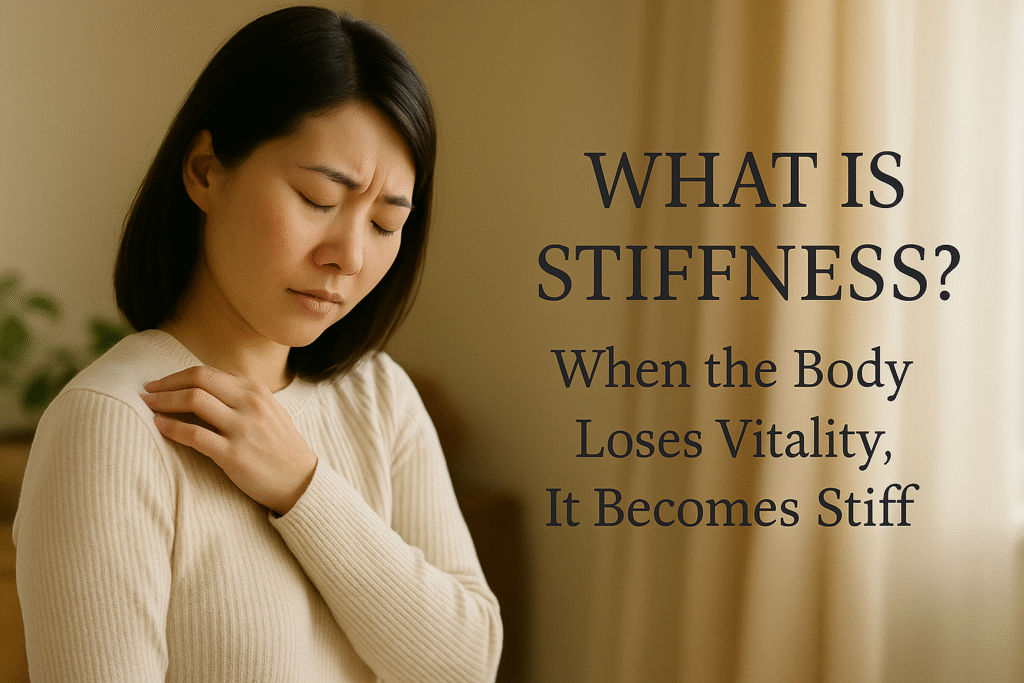
What Is “Stiffness”? When the Body Loses Vitality, It Becomes Stiff We often say, “This part feels stiff,” or “That area just won’t cooperate.” But what exactly is stiffness? It is not something mysterious. It’s a state we all experience in daily life. For example, when you stand still for too long, your legs begin […]
Anderstanding “Jin”: Tai Chi Trains Internal Energy, Not Muscle Force
人人都有“劲感,只是你是否认识它